
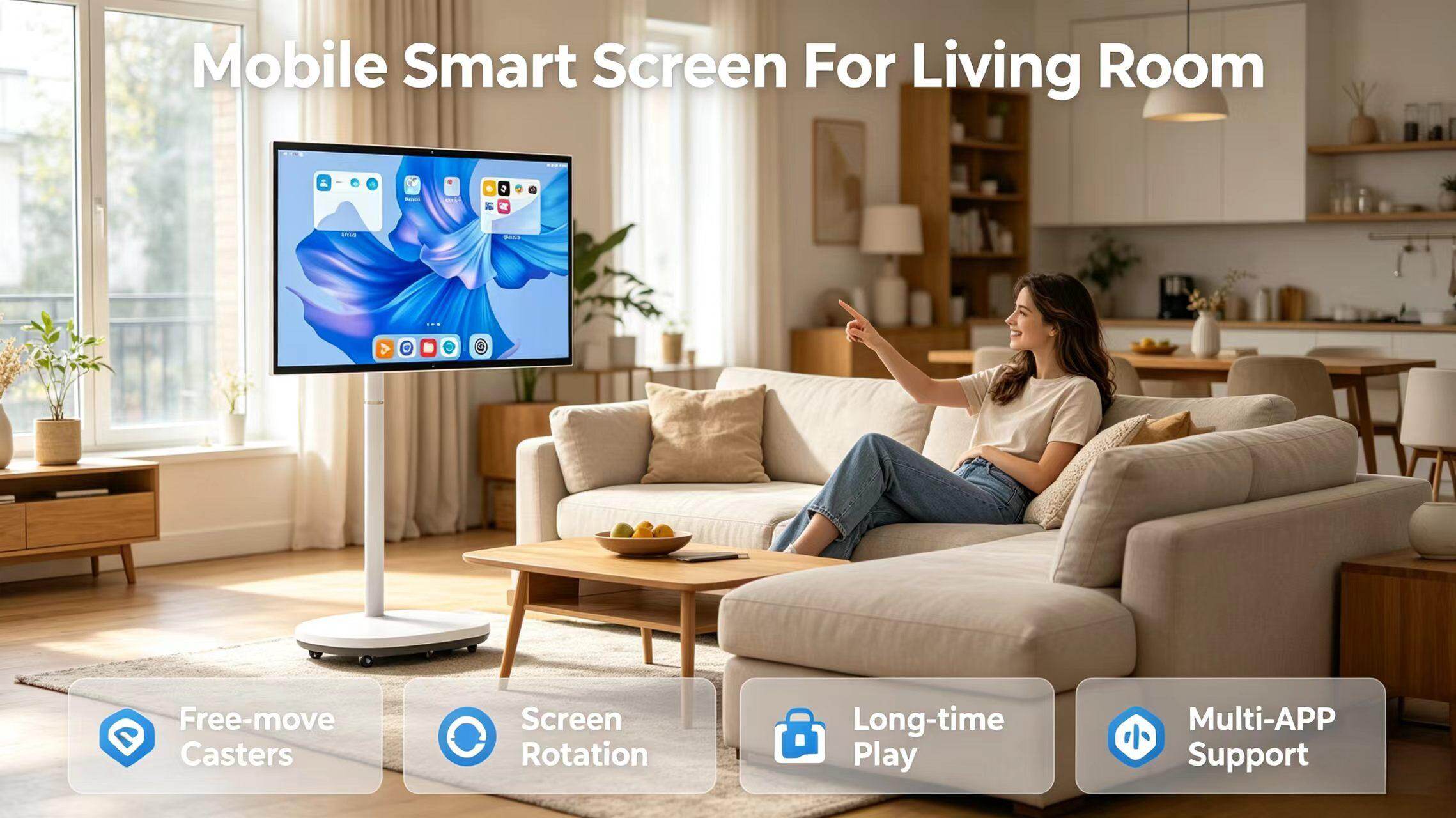
If you've been shopping for a large smart screen for your home, you may have noticed something confusing: why does a portable smart display (also called a moving TV or portable smart screen) cost significantly more than a regular digital signage display of similar screen size? After all, they both have screens, right?\n\nThe truth is, a portable smart display and a regular advertising display are fundamentally different products designed for completely different use cases. In this article, we'll break down the key differences across four dimensions — materials, components, features, and chipset — to help you understand exactly where the extra cost goes.\n\n1. Materials: From Fixed Plastic to Premium Movable Structure\n\nA standard advertising display is designed to be mounted on a wall or placed on a fixed stand. Its construction is simple: standard ABS plastic housing with thin walls, a fixed mount or basic floor stand with no angle adjustment, no wheels or cheap plastic casters that rattle and scratch floors, and simple assembly with visible gaps that feels hollow.\n\nA portable smart display, on the other hand, is engineered to move with you — which requires a completely different structural design: premium ABS blend with metal accents and solid feel, pneumatic height-adjustable pole with multi-angle tilt and 90-degree rotation, 5 silent universal casters with soft rubber tread and lockable brakes, and precision-molded parts with uniform gaps and substantial weight.\n\nA single height-adjustable metal stand with pneumatic cylinder can cost more than the entire plastic housing of a regular advertising display. Just the structural components — metal frame, lift mechanism, precision wheels, and mold tooling — cost 3 to 5 times more than a fixed display's build.\n\n2. Components: From "Just a Screen" to Full-Featured Device\n\nDisplay Panel: A regular advertising display uses a basic LCD panel with 45-60% NTSC color gamut, 250-350 nits brightness, no blue light certification, and severe reflections in bright rooms. A portable smart display uses an anti-glare paper-like eye-care panel with 90%+ DCI-P3 color gamut, 400-500 nits brightness, TUV Rheinland low blue light certification, and AG anti-glare coating.\n\nBattery and Power: A regular advertising display must be plugged in at all times and is fixed to one location. A portable smart display has a built-in 9,500 to 20,000 mAh battery providing 5 to 12 hours of unplugged use, allowing placement in any room.\n\nAudio and Sensors: A regular advertising display has a single mono speaker that is barely adequate, with no camera, microphone, or sensors. A portable smart display features dual stereo speakers with rich bass and clear vocals, an 8-13 MP camera for video calls, a far-field mic array for voice wake, and ambient light, proximity, and gyroscope sensors.\n\nAn anti-glare eye-care panel costs 30-50% more than a standard display. Add a large built-in battery, stereo speakers, a high-resolution camera, a far-field mic array, and multiple sensors, and the bill of materials cost jumps 2 to 3 times.\n\n3. Features: From "Content Player" to "Smart Companion"\n\nA regular advertising display plays looped video and image content, supports scheduled power on/off and remote content management, but has no touchscreen, no mobility, no interaction, and fixed installation.\n\nA portable smart display offers smooth 10-point touch for scrolling, zooming, and writing naturally. It supports hands-free voice control — just say the wake word to search, play, or ask questions. Gesture recognition lets you wave to pause or play, perfect when your hands are cooking or sweaty from exercise. Height and rotation adjustment provides the perfect viewing angle whether sitting, standing, or lying down, switching between landscape and portrait in seconds.\n\nAdditional features include AI fitness coaching with built-in body tracking, kids mode with eye-care filter and screen time limits, large-screen video calls with family, wireless screen mirroring from phone or laptop, built-in content ecosystem with thousands of apps, and multi-user profiles for the whole family.\n\nA regular advertising display is a "display tool." A portable smart display is a "smart companion." The touch layer, voice algorithms, gesture recognition, and AI features require massive software development investment. On the hardware side, every sensor, mic, and camera adds cost. The total feature set costs 2 times more to engineer and build.\n\n4. Chipset: From "Plays Video" to "Runs AI"\n\nA regular advertising display uses a low-end quad-core processor like Allwinner H616 or Rockchip RK3128, with 2GB DDR RAM, 16GB eMMC storage, no AI accelerator, custom Android that rarely gets updated, and starts lagging after 1 year.\n\nA portable smart display uses a high-performance octa-core processor like Rockchip RK3568 or RK3588, with 4-8GB LPDDR4 RAM, 32-128GB eMMC 5.1 storage, built-in NPU with 1+ TOPS for AI inference, deeply customized Android with regular updates, and stays smooth for 3+ years.\n\nRegular advertising display chips cost 5 to 10 dollars — they only need to play video on a loop, performance is secondary, and cost is king. Portable smart display chips cost 20 to 50 dollars — they must run a full touch UI smoothly, process far-field voice recognition, run gesture recognition in real time, power AI fitness pose tracking, handle multitasking, and stay fast for years.\n\nA high-performance octa-core processor with dedicated NPU, paired with ample RAM and storage, costs 2 to 4 times more than a basic advertising display chipset. But the experience difference is night and day — one stutters after a year, the other stays smooth for years.\n\nSummary: Where the Extra Money Goes\n\nMaterials: Regular display has plastic housing and fixed stand (1x), portable smart display has metal frame, lift stand, and silent wheels (3-5x).\n\nComponents: Regular display has basic screen, no battery, mono audio (1x), portable smart display has eye-care screen, big battery, stereo, camera, mics, sensors (2-3x).\n\nFeatures: Regular display is video playback only (1x), portable smart display has touch, voice, gesture, AI, adjustable (2x).\n\nChipset: Regular display has low-end quad-core with 2+16GB (1x), portable smart display has high-end octa-core with 4+32GB and NPU (2-4x).\n\nConclusion\n\nA regular advertising display solves one problem: showing content in a fixed location. It is a simple, cost-effective solution for signage, menu boards, and retail displays.\n\nA portable smart display solves a completely different problem: being there for you wherever you are, however you want to use it. It is a home entertainment hub, a fitness coach, a study companion, and a video call device — all in one mobile screen.\n\nThat is why the price difference exists. You are not paying for a bigger screen — you are paying for mobility, intelligence, interaction, and everyday convenience. A regular display just sits there. A portable smart display becomes part of your daily life.\n\nStill not sure which one is right for you? Browse our range of digital signage displays and portable smart display options, or contact our team for expert advice tailored to your needs.\n\nGet a Quote: Contact Us for expert advice. Browse Products: View our full range of digital signage and portable smart displays. Learn More: Visit About Us to know more about DSBolan.
Back to Blog
September 16, 2026 DSBolan Team Buying Guide
Why Is a Portable Smart Display More Expensive Than a Regular Advertising Display?
If you've been shopping for a large smart screen, you may have noticed something confusing: why does a portable smart display cost significantly more than a regular digital signage display of similar screen size? Let's break down the key differences.
Related Products
Explore our range of professional digital signage solutions tailored to your needs.
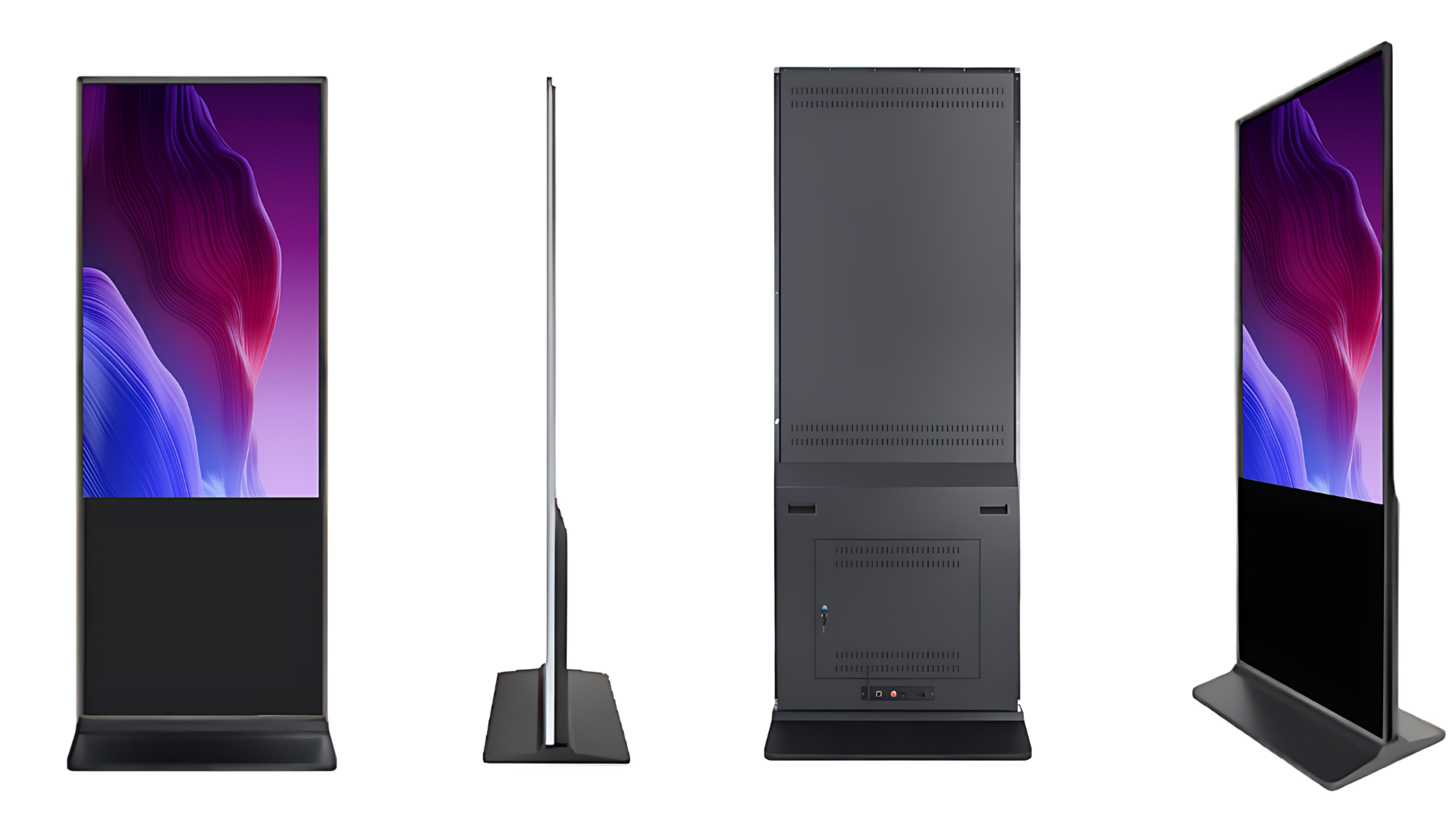
Floor-Standing Display
Floor-Standing Series
32" - 85" | 4K UHD | Android 7/11/14
View Details
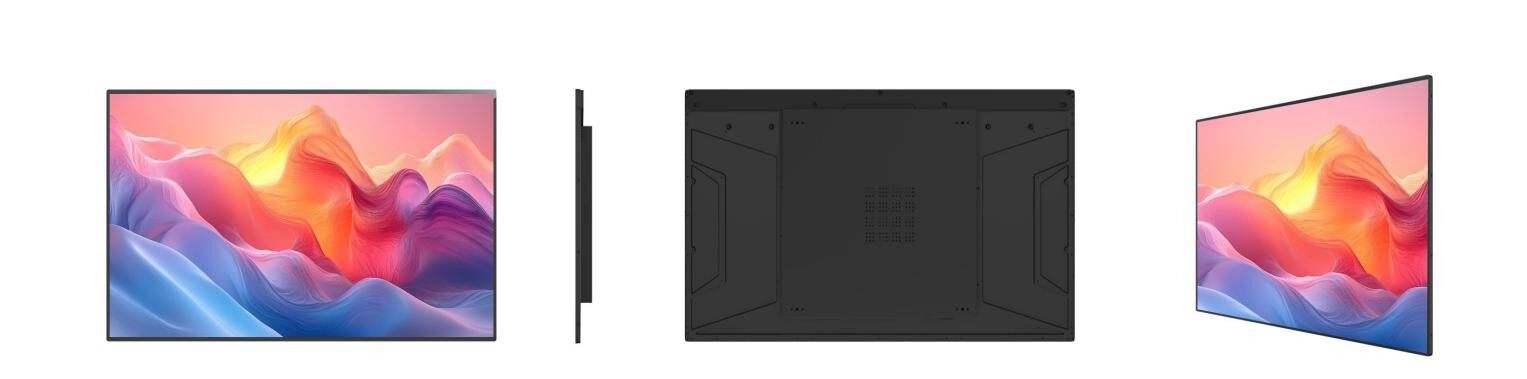
Wall-Mount Display
Wall-Mount Series
32" - 110" | Ultra HD | Ultra-Narrow Bezel
View Details
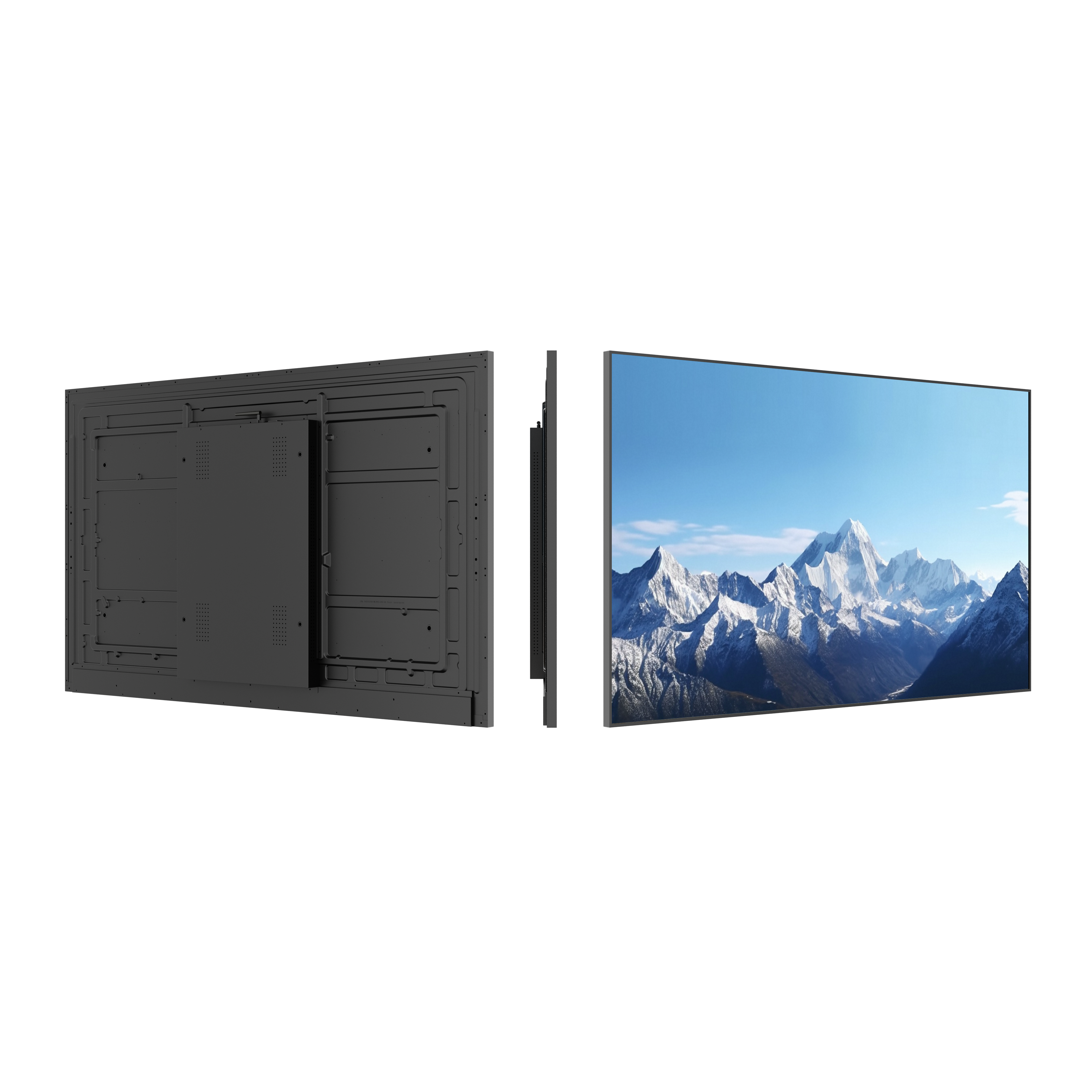
High-Brightness Display
High-Brightness Series
43" - 86" | 1000-1500 nits | 24/7 Playback
View Details
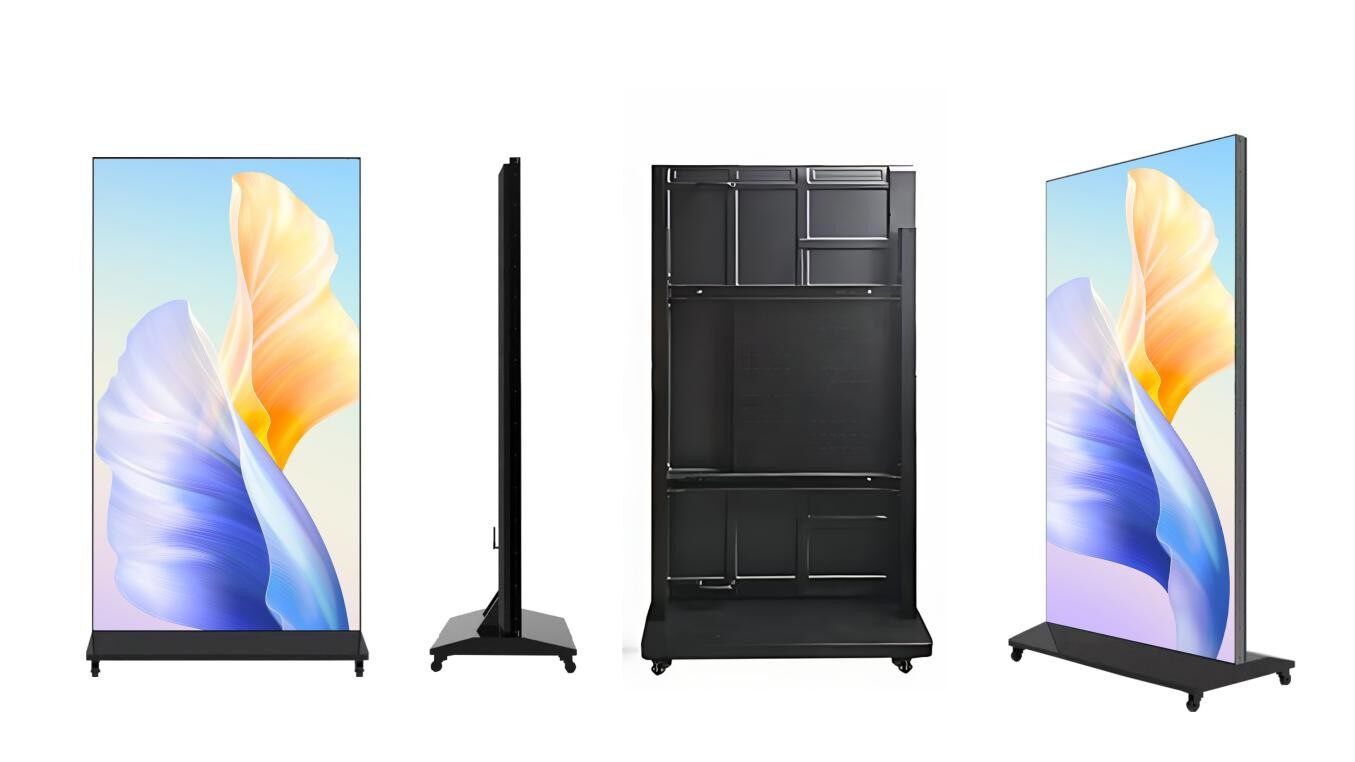
Full-Screen Display
Full-Screen Series
75" - 98" | Borderless | 9:16
View Details
